Module 1 Learning Activity: Metaphorically Speaking
Metaphor is a cognitive phenomenon or a way of thinking in education. The core of educational metaphor is actually the development and cultivation of students’ thinking skills. It requires, during the implementation of the educational process, inspiring students’ thinking in a more vivid, intuitive, and imaginative way through means like similarity, adjacency, substitution, implication, or borrowing, so that students’ thinking is subtly influenced and gradually nurtured into a scientific way of thinking.
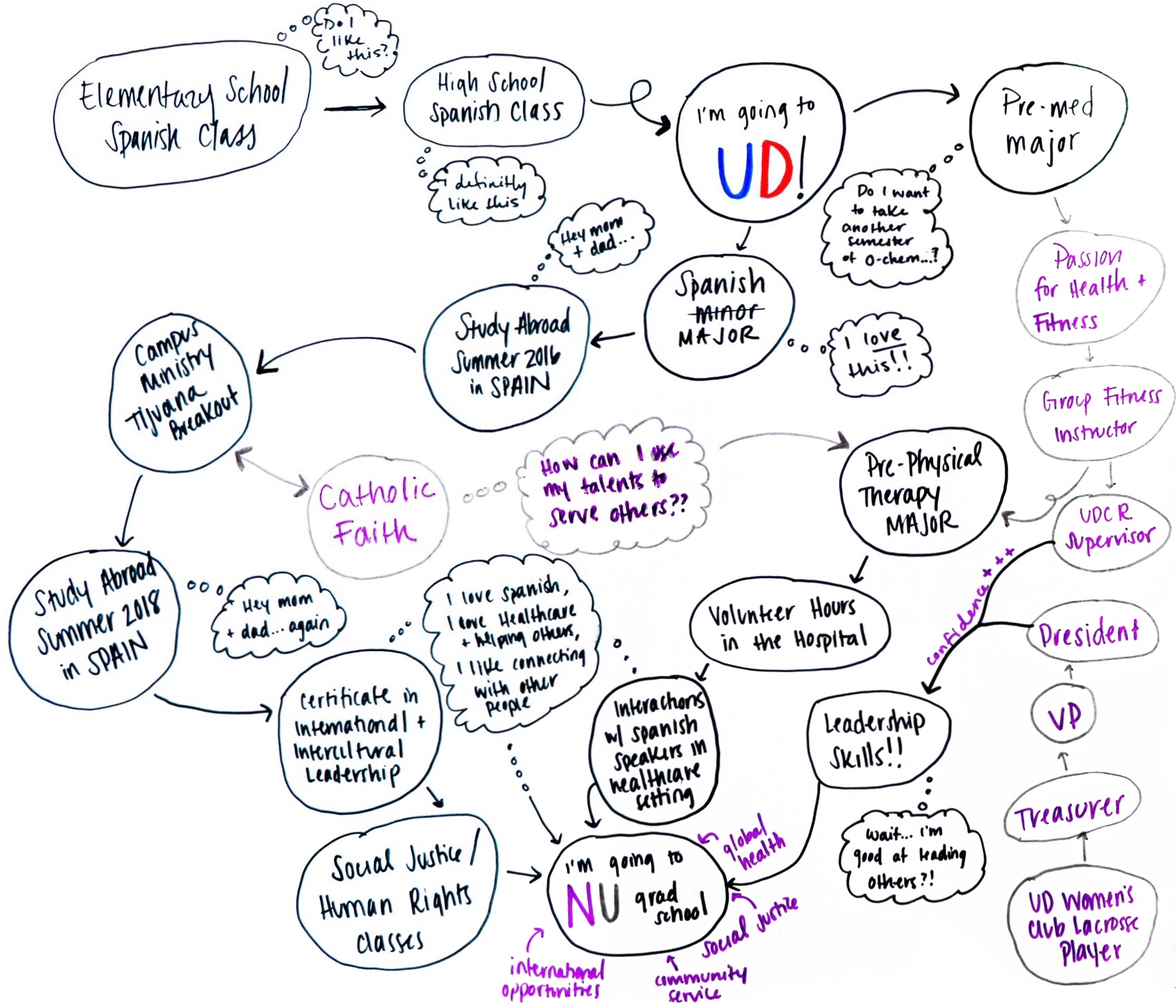
For example, During some synchronous lessons, the teacher might ask the students to create a metaphorical map of their educational journey. In this activity, the path represents their academic progress, obstacles symbolize challenges they face, and landmarks represent significant achievements or knowledge gained.
The metaphor is engaging and relatable for students. It provides a clear and visual way to understand the educational process, making it easier to grasp, especially for younger students. It also can be motivational, as the idea of a journey implies progress and the potential for exciting discoveries along the way, which can encourage students to stay on the path of learning. By using this metaphor, students can better understand the ups and downs of learning, the importance of perseverance when faced with obstacles, and the sense of accomplishment upon reaching milestones. This metaphorical approach can make the learning experience more relatable and engaging for students, helping them grasp the abstract concept of education through a concrete and imaginative comparison.
I chose “Metaphorically Speaking” because it seemed like a creative and engaging way to explore the course material, which focuses on the power of metaphors in communication. Being a visual learner, the prospect of using metaphors to convey complex concepts resonated with me, and I believed it would enhance my understanding of the subject. This activity aligned with my personal learning goals for the course, which included improving my communication skills and gaining a deeper appreciation for the nuances of language. While participating in “Metaphorically Speaking,” I not only learned how to craft and employ metaphors effectively but also gained a deeper insight into how metaphors shape our perception of the world. It was a valuable learning experience that reinforced the course material and encouraged me to think more critically about the language we use in everyday communication.
Leave a Reply